
One of the most common challenges in residential renovation is deciding what should happen first. Individual tasks may appear independent, but construction work usually involves multiple dependencies between structures, utilities and finishes.
Start With an Assessment, Not Demolition
Before removing finishes or ordering materials, determine the current condition of the building.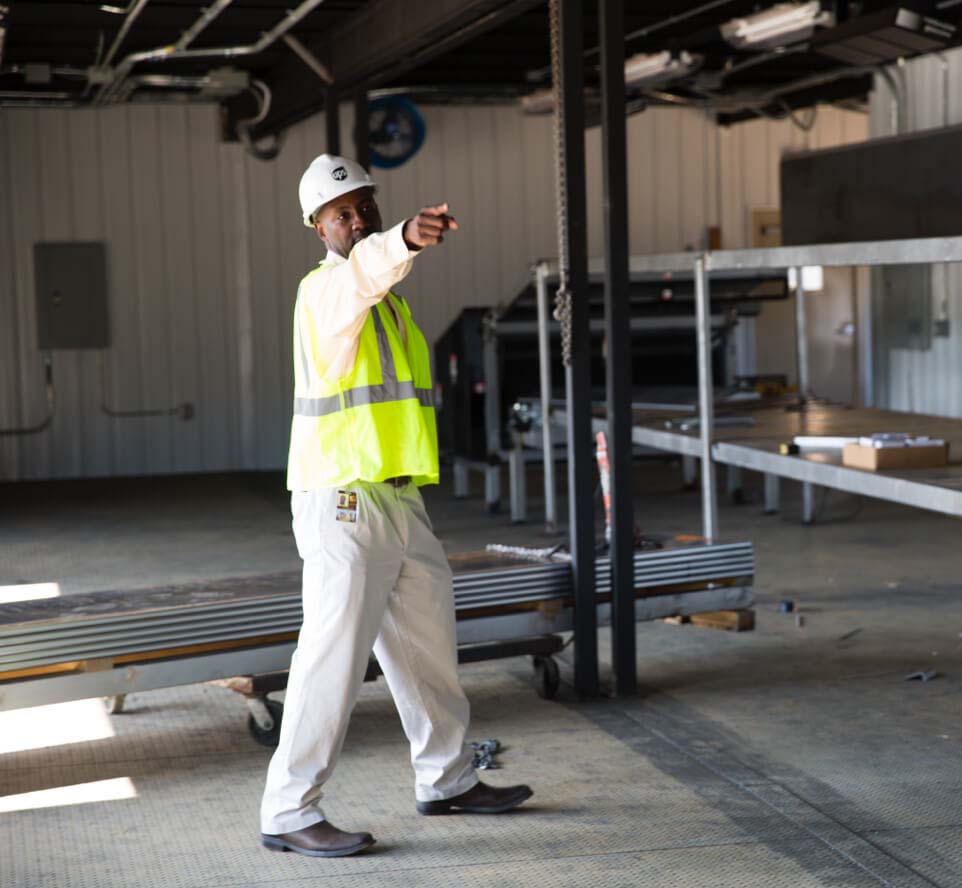 Existing defects can significantly change the scope and sequence of renovation.
- roof condition and visible signs of leakage;
- visible changes in structural elements;
- moisture marks and damaged finishes;
- condition of windows and exterior doors;
- the condition and planned changes to building services.
The purpose of this stage is to identify dependencies. If a roof leak is damaging an interior wall, repairing and repainting the wall before addressing the water source creates unnecessary repeated work.
Separate Essential Work From Improvements
A long renovation list becomes easier to manage when tasks are divided according to their importance and relationship to other work.
- Essential work — problems that should be resolved before other renovation stages.
- Planned upgrades — changes to utilities, insulation, windows or building components.
- Cosmetic work — visible finishes generally completed after disruptive construction.
Protect the House Before Finishing It
If roofing, exterior walls, modern construction methods windows or drainage allow water to enter the building, these issues generally need attention before sensitive interior finishes are completed.
The exact scope depends on the building, but roofing defects, failed exterior connections and other identified sources of water penetration should be resolved as part of the early renovation stages.
Complete Major Demolition Before New Finishes
Once the renovation scope is established, necessary removal work can usually be grouped into an early stage before new finishes are introduced.
- planned removal of old surface materials;
- dismantling of components included in the renovation scope;
- opening selected areas required for utility work;
- management of demolition debris;
- clearing work areas for subsequent operations.
Demolition should still be controlled rather than indiscriminate. Before opening walls, floors or ceilings, the location of utilities and the function of building elements must be considered.
Plan Utilities Before Closing Walls
One expensive renovation mistake is completing a finished wall and later discovering that it must be opened again for a new cable, pipe or other installation.
- Define where fixtures and equipment will be located.
- Determine the required utility changes.
- Coordinate the different trades.
- Install or modify hidden systems as planned.
- Verify completed work at the appropriate stage.
The renovation schedule should allow each specialist to complete and verify relevant work before access is permanently covered.
Do Not Treat Window Replacement as an Isolated Task
Replacing windows or exterior doors can affect adjacent walls, reveals, exterior finishes and interior decoration. Their position in the schedule should therefore be coordinated with those operations.
Completing delicate decorative finishes immediately around an opening that will later undergo substantial replacement work can lead to avoidable repairs.
Move From Rough Construction Toward Finished Surfaces
As a general planning principle, heavy and dusty work is performed before surfaces that are vulnerable to impact, dirt or repeated access.
- structural and necessary building repairs;
- demolition and rough construction;
- utility installation and modification;
- substrate preparation and leveling;
- decorative finishes and final installation.
Construction Materials Need Time Between Stages
Some construction processes require drying, curing or stabilization before the next layer can be applied. Ignoring these intervals can create problems that appear only after the renovation is complete.
Plasters, screeds, adhesives, coatings and other materials should be used according to manufacturer instructions, house renovation guide including applicable substrate and curing requirements.
Renovation Continues Around Completed Surfaces
In larger projects, some rooms or surfaces may be completed while work continues elsewhere. Without protection, construction traffic can damage finished floors, doors, walls and fixtures.
- cover vulnerable floors where later access is required;
- reduce impact damage to completed joinery;
- control the spread of construction dust;
- plan contractor access through the building;
- keep protective measures in place for as long as they are needed.
A Schedule Should Show More Than Dates
A plumber may need access before a wall is closed, a painter needs prepared and sufficiently dry surfaces, and flooring installation may depend on the completion of other heavy work. These relationships should shape the schedule.
Homeowners researching construction through resources such as Stroyka2001 can become more familiar with terminology and typical renovation stages before coordinating specific work with professionals.
Control the Project at Key Transition Points
- Assessment completed and priorities established.
- Necessary building repairs resolved.
- Demolition and rough construction completed.
- Hidden utilities completed and checked.
- Surfaces are ready for final finishing.
- Finish-stage construction is completed.
These milestones make it easier to identify whether the project is genuinely ready to move forward instead of advancing simply because a date has arrived.
Build Once Instead of Repairing New Work
There is no universal renovation order suitable for every building. The condition of the house, the scope of construction tips and the systems being replaced determine the detailed schedule.
The central principle is straightforward: heating system solutions solve underlying building problems before covering them, complete hidden work before closing it, and protect finished surfaces from operations that should have happened earlier. This creates a more controlled approach to residential renovation.